augment^ed

Bridging frontier AI and the classroom.

AugmentED is an R&D organization closing the gap between what AI can do and what students need. We are teachers, researchers, and engineers working together to build and test the missing technology, and the evidence to trust it.

Follow our work Explore our approach

The Challenge

Frontier AI models weren't purpose-built for education, leaving a gap between what AI can do and what students need. Closing it requires a missing layer between those models and the apps they power: infrastructure built for learning, proven in classrooms, and worthy of trust.

Learn More

Our Approach

We treat AI in education as a science, not a gold rush.

We run an iterative research and development cycle, with educators, researchers, and engineers as equal partners at every step. We don't start by asking what AI can do. We start by asking what teachers and students need. Then educators, researchers, and engineers work together to identify what's missing, build it, and test it in real classrooms. What we learn informs the next turn of the cycle.

Learn More
A blueprint arch drawn in wireframe across the gap between two school desks

01

Define the role

AI can play many distinct roles in a classroom, and each requires its own standards, evidence, and safeguards. With each group of teachers and students, we identify a specific role AI could play to meet a real need, and what teachers uniquely bring alongside it. Then we study what that role requires, where its limits are, and what bar it must meet.

The arch complete across the gap, every block set and the blueprint retired

03

Co-design the applications

Teachers, researchers, engineers, and designers build classroom tools on those capabilities, along with new ways of teaching alongside them. They then test our work where it counts: in real classrooms.

Wooden blocks part-way through building the arch along the blueprint

02

Build the capabilities

Much of the technology needed for AI to play these roles well doesn’t exist off the shelf. We build the missing layer between frontier AI models and classroom apps — validated capabilities that tools can build on, like computational methods that help AI measure student skills or track how concepts connect across a semester.

The finished arch carrying its load, the force travelling down through every block

04

Test, learn, begin again

Classroom data tells us whether the AI roles we selected and the capabilities and tools we built actually helped. Those lessons sharpen our hypotheses, strengthen our capabilities and tools, and inform our next cycle of R&D.

01

Define the role.

AI can play many distinct roles in a classroom, and each requires its own standards, evidence, and safeguards. With each group of teachers and students, we identify a specific role AI could play to meet a real need — and what teachers uniquely bring alongside it.

02

Build the capabilities.

Much of the technology needed for AI to play these roles well doesn’t exist off the shelf. We build the missing layer between frontier AI models and classroom apps: validated capabilities that tools can build on.

03

Co-design the applications.

Teachers, researchers, engineers, and designers build classroom tools on those capabilities, along with new ways of teaching alongside them. Then they test the work where it counts: in real classrooms.

04

Test, learn, begin again.

Classroom data tells us whether the role we chose and the capabilities we built actually helped. Those lessons sharpen our hypotheses and inform the next turn of the cycle.

Turning classroom experiments into reusable infrastructure.

Each co-design cycle produces more than prototypes. It creates evidence about what students need, what AI can do reliably, and what teachers need to use it well. AugmentED turns those lessons into research and technical foundations the field can trust and build on.

An empty classroom in early morning light

Better ways of thinking.

Ideas and evidence that help the field reason about AI in education: research insights on the roles AI should (and shouldn’t) play, methods for evaluating AI, and tested models for teaching and learning alongside it.

A student taking notes beside a laptop

Better foundations for AI tools.

Reusable infrastructure that future classroom tools can be built on, from validated AI capabilities to the datasets that power them. We build these to generalize and recombine to serve many subjects and types of schools.

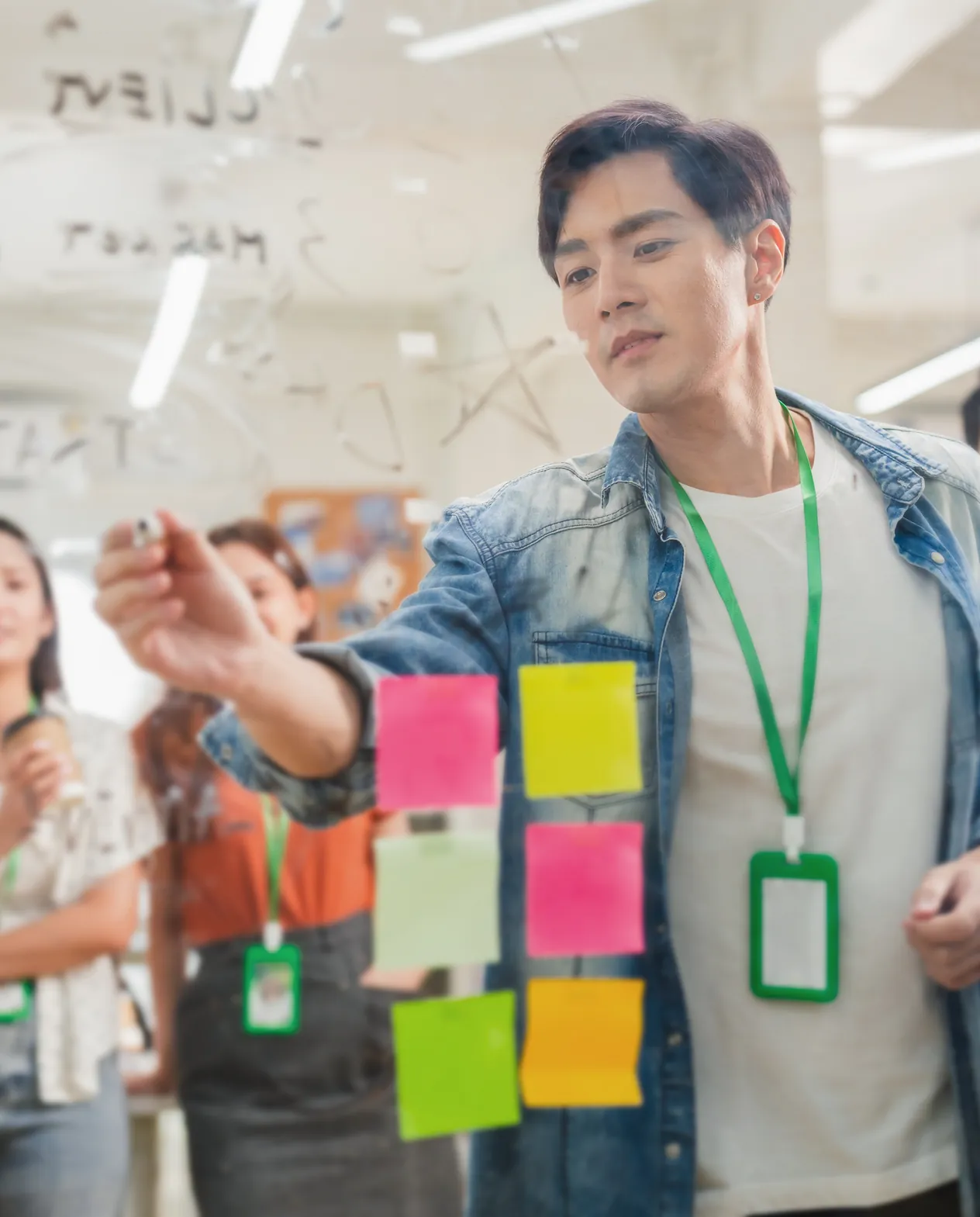
Photography to supply — a student mapping connected ideas at a whiteboard

Better tools and classroom practices.

Tested classroom resources that help educators apply AI, including AI-powered applications, implementation guides, and proven methods for teaching alongside AI, all built with teachers to solve real challenges in their classrooms.

Our Current Work

Examples of what we're building right now.

In our first cohort, teachers from several pioneering high schools worked with researchers and engineers to co-design AI-powered tools. Each project below is a work in progress—and each one feeds reusable capabilities back into a foundation that others can build on.

All three put the same AI role—AI as cognitive extender—to work. For teachers and students, the AI surfaces patterns hidden in more information than any person could track alone.

Photography to supply — a student recording a spoken reflection

Museum High School

Feedback Facilitator

During multi-week projects, students respond to teacher prompts with short voice memos. The tool surfaces where each student and group is progressing, stuck, or drifting off track, so teachers can provide specific, meaningful feedback for every student.

Learn more

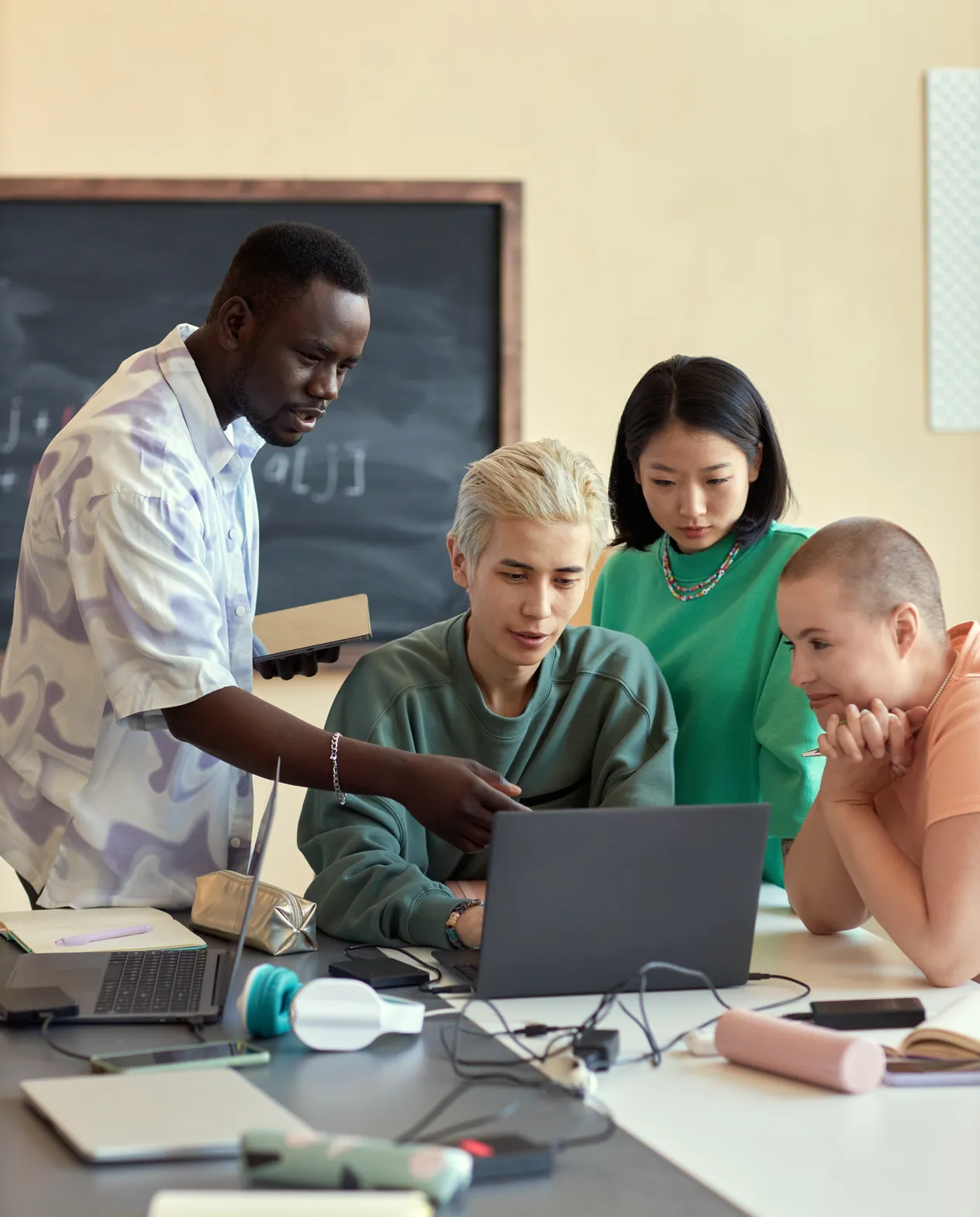
Photography to supply — four students working on a group project

High Tech High Mesa & High Tech High International

Collaboration Navigator

After students reflect on their small-group work, the tool generates insights about how each group is functioning. It makes group dynamics visible to teachers in real time, so they can coach students on collaboration and repair problems before they harden.

Learn more

Photography to supply — a student mapping connected ideas at a whiteboard

Cross Town High

Connection Builder

Students learn more deeply when new material connects to what they already know and care about. This tool maps a teacher’s course material to each student’s knowledge, experiences, and interests and then suggests personalized connections.

Learn more
Learn more

Our Thinking

Recent Research

With our research partners, we study what each role AI can play in a classroom makes possible, where it falls short, and what we can build to push those limits. Three of our recent papers:

Measuring critical thinking with AI

Can AI assess a skill as complex as critical thinking? We find that carefully scaffolded language models can measure some critical-thinking subskills in student writing, and we map where they still fall short.

Read more

A repeatable method for measuring durable skills

We share a standardized, step-by-step process for improving and validating the capacity of AI systems to detect complex skills like critical thinking, so the field can build measurement tools without starting from scratch each time.

Read more

The AI Roles for Education framework

We define five distinct roles AI can play in the classroom, and show how a tool's role shapes what it should do, how to judge whether it works, and what safeguards it needs.

Read more
View all

Join us in building better foundations for AI in education.

We co-design with educators, publish what we learn, and build infrastructure for the whole field. If that's the future of AI in education you want, come build it with us.

Meet the team Follow our work

The gap between what AI can do and what students need.

AI is arriving in classrooms whether schools are ready or not. The danger is that some are rushing in without asking what AI can do well, what teachers uniquely bring, or what students actually need.

Photography to supply — a teacher and students working together in a classroom

Nobody knows the right way for AI to enter the classroom.

Most of us built our critical thinking, writing ability, and judgment without AI, which is what allows us to use it well now. We direct it rather than defer to it. Students who lean on AI too early can short-circuit those skills before they form.

It's a safe bet that AI can improve how people learn. But nobody has discovered how. The entire field fundamentally lacks research into the right ways to integrate AI into the classroom.

And the technology to support it is lacking.

Ed tech companies build the apps teachers and students use. The big AI labs build the underlying models that power these apps. What's missing is the layer in between: the foundational capabilities that let AI understand what a student knows, measure skills as complex as critical thinking, and adapt to what's happening in a real classroom.

Photography to supply — a researcher and engineer reviewing a prototype

Photography to supply — a teacher working alongside two students

Fear is fueling a backlash that could leave students worse off

Parents and teachers are alarmed. Some districts are pushing screens and AI out of schools entirely. This instinct is understandable, but both extremes carry real costs. Letting AI take over the classroom would stunt student learning and hollow out the relationships it depends on. Yet pushing AI out altogether leaves students unprepared for a world that already runs on it.

We're on a mission to bridge this gap.

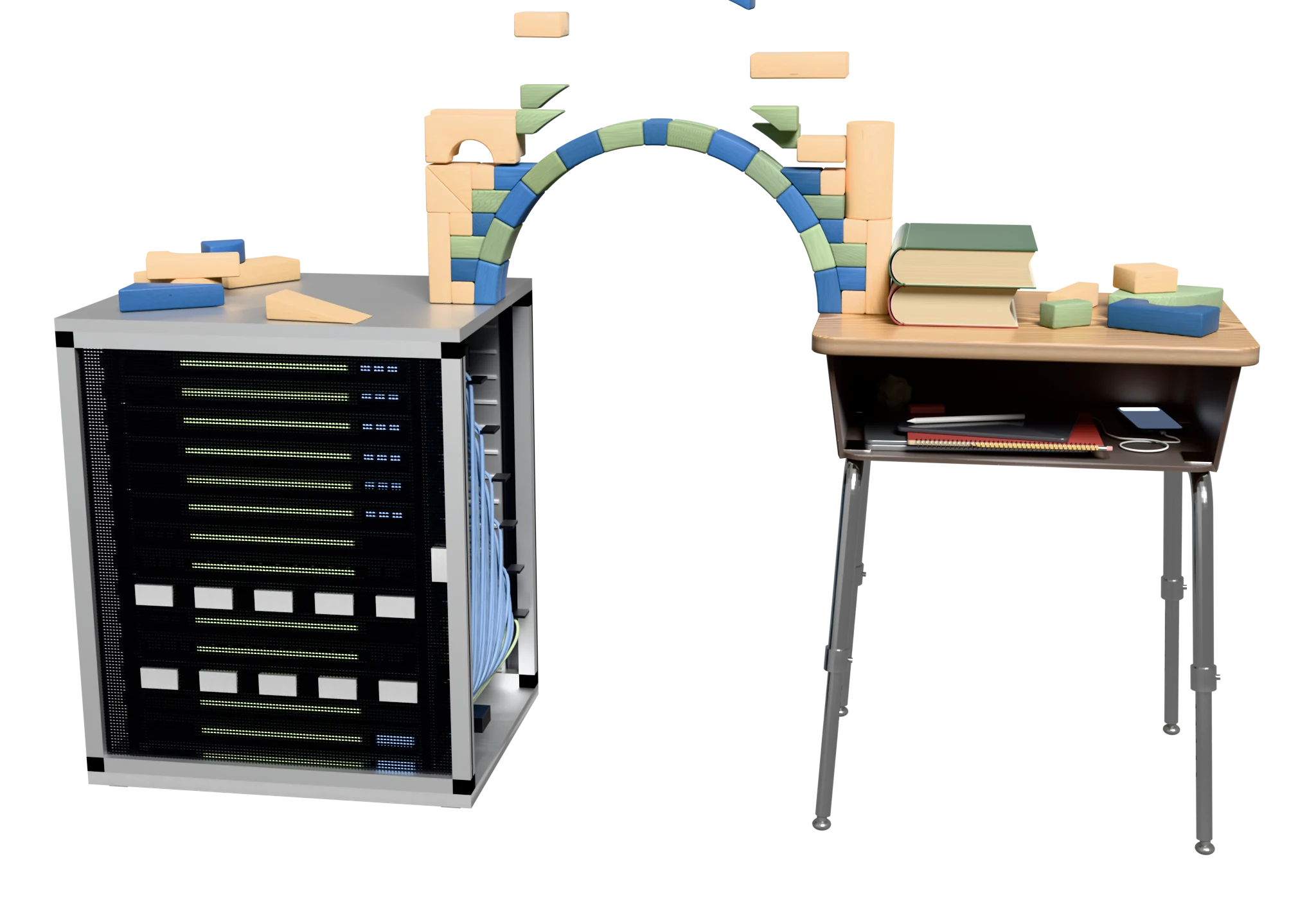
The gap exists because frontier AI and classroom learning operate on different timelines and constraints. Our work closes that gap by creating the infrastructure that lets them work together—safely, effectively, and in service of what students actually need to learn.

  • Research what students need
  • Test what AI can do
  • Build the bridge between them
Follow Our Research Explore Our Approach

Photography to supply — a wide shot of a classroom in session

Our Approach

We believe better educational AI will emerge from discovering what classrooms actually need, building solutions with real educators and students, and testing them in real classrooms. What we learn from that testing flows back into better capabilities and tools. That's why every AugmentED project combines research and development in a iterative co-design cycle.

Education technology companies build the applications teachers and students use every day. The large AI labs build the underlying models. What's missing is the layer in between—the capabilities that let AI understand what a student knows, measure skills as complex as critical thinking, and adapt to what's happening in a real classroom. That's the layer we are building.

Follow our work

01  Define the role

We begin by asking what role classrooms need AI to play.

We start by asking, not what AI can do, but what teachers and students need. At the start of each co-design cycle, our teacher and research partners define a role AI can play to meet a real classroom need, such as enhancing a teacher's understanding of her students' prior experiences and interests, assessing complex skills, or facilitating feedback. That role becomes the North Star for everything that follows.

A student taking notes beside a laptop

Photography to supply — an engineer and a teacher reviewing a tool together

02  Build the capabilities

We research what makes that role technically feasible.

Our educators, researchers, and engineers then build the underlying infrastructure: the reusable technical capabilities a tool needs to play its chosen role well. For the roles we're currently exploring, that includes building capabilities such as validated ways for AI to measure and support durable skills and a living map of how the ideas in a particular teacher's class connect to each other and to students' prior experiences and interests. Most of these capabilities don't exist yet. Once we build and prove them, they can be reused, adapted, and made available to others to build on.

03  Co-design the applications

We build tools that bring the role to life.

Our interdisciplinary teams—teachers, researchers, engineers, and designers working as true partners—use that infrastructure to build and test AI-powered tools, and new ways of teaching alongside them. This second part is crucial: an AI tool might help students evaluate sources or collaboratively solve problems, but it's only truly effective when paired with a teaching approach that combines what AI and human teachers each do best.

Photography to supply — four students working on a group project

04  Test, learn, begin again.

Through this process, we produce three things the field needs:

Research

Every co-design cycle generates evidence about what AI should do in education, when it works, and why. We openly share our research findings, evaluation methods, and models for teaching and learning alongside AI, so the field can build from evidence instead of assumptions.

Capabilities

Behind every successful classroom tool are foundational capabilities that make it possible. We develop and share reusable capabilities, from specially trained models and datasets to ways of representing what's being taught and learned in a classroom, that any educational AI application can build on.

Applications

Research and capabilities only matter if they improve learning. We build and validate classroom tools and teaching methods alongside educators and students to demonstrate what works in practice.

01

Define the role

02

Build the capabilities

03

Co-design the applications

04

Test, learn, begin again.

Our Approach

The Co-Design Cycle

What we learn informs the next turn of the cycle.

Step 01

Define the role

AI can play many distinct roles in a classroom, and each requires its own standards, evidence, and safeguards.

Step 02

Build the capabilities

We build the missing layer between frontier AI models and classroom apps — validated capabilities that tools can build on.

Step 03

Co-design the applications

Teachers, researchers, engineers, and designers build classroom tools on those capabilities, then test them where it counts.

Step 04

Test, learn, begin again.

Classroom data tells us whether what we built actually helped. Those lessons inform our next cycle of R&D.

01

Define the role

AI can play many distinct roles in a classroom, and each requires its own standards, evidence, and safeguards.

02

Build the capabilities

We build the missing layer between frontier AI models and classroom apps — validated capabilities that tools can build on.

03

Co-design the applications

Teachers, researchers, engineers, and designers build classroom tools on those capabilities, then test them where it counts.

04

Test, learn, begin again.

Classroom data tells us whether what we built actually helped. Those lessons inform our next cycle of R&D.

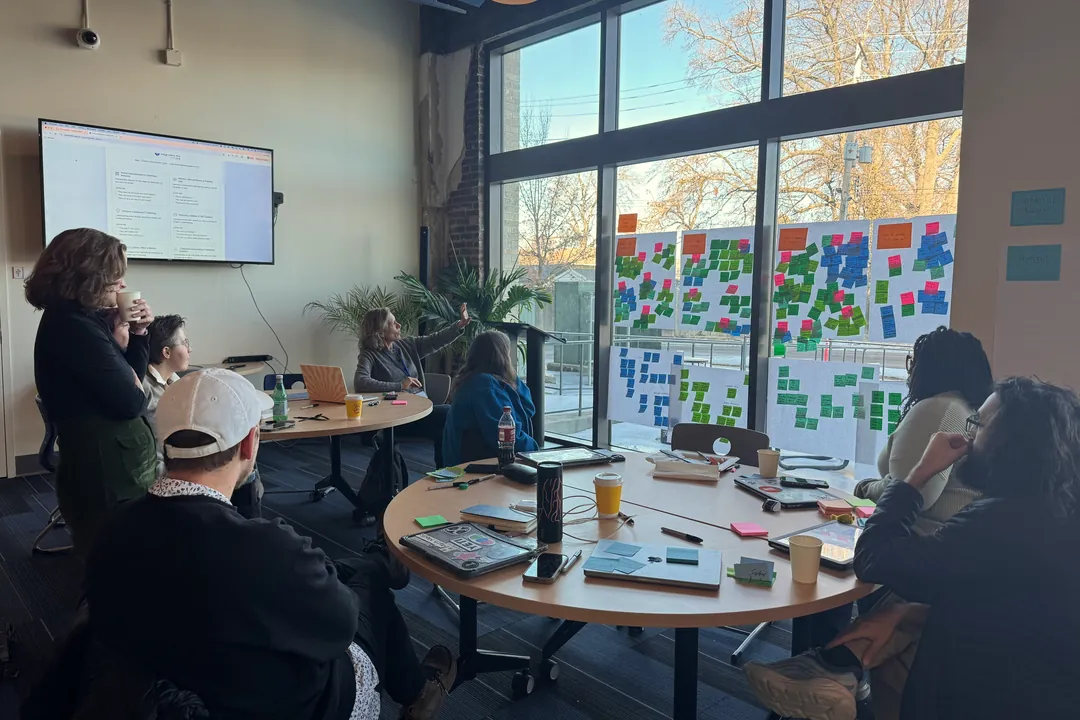
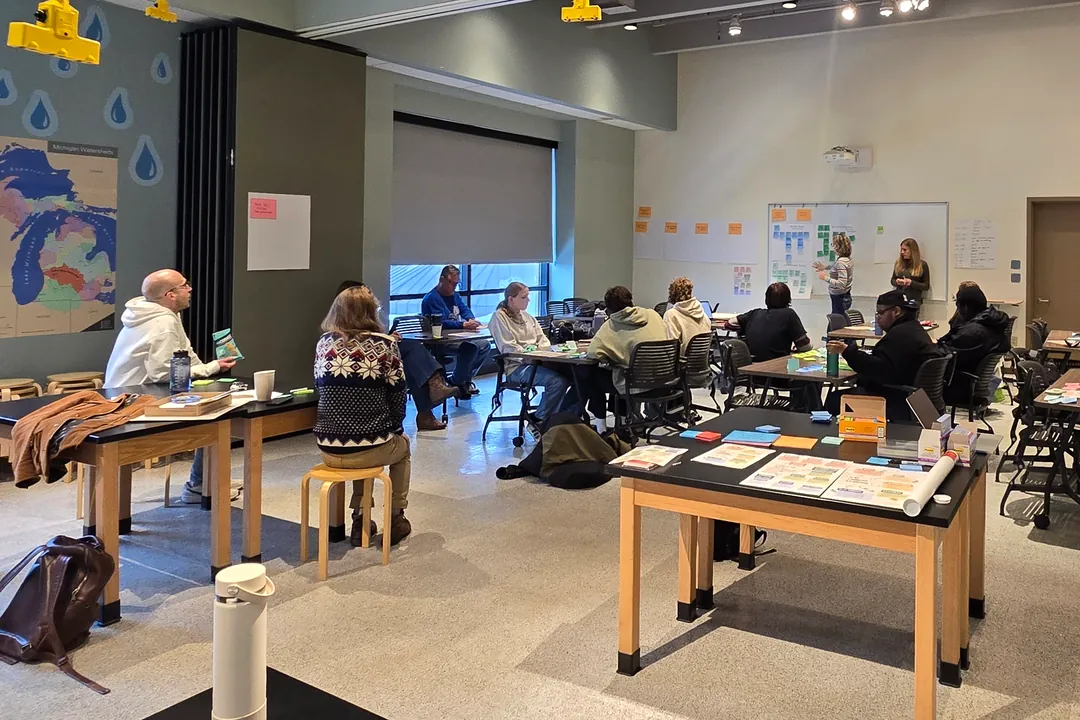
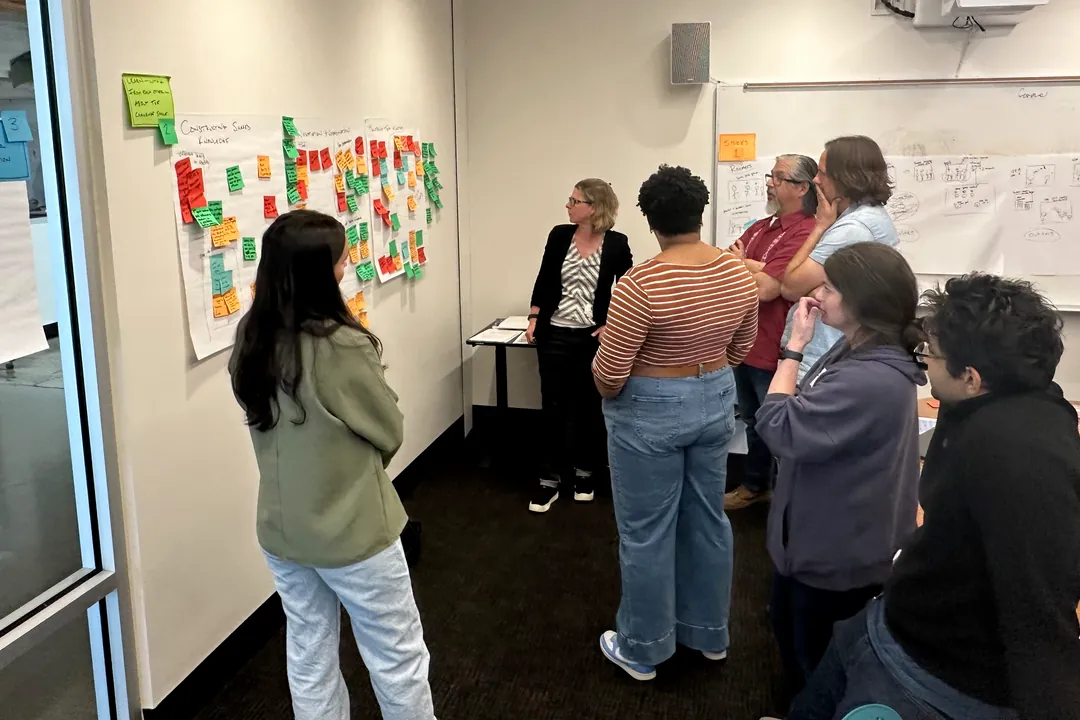
Photography to supply — educators and a researcher in a co-design workshop

The Feedback Loop

What we learn shapes what we build next.

Every application is tested in real classrooms alongside educators and students. What we learn tells us which capabilities to build or improve next, while new and improved capabilities make better applications possible. Together, they form a continuous research and development cycle.

Each iteration of the cycle strengthens the field's understanding of what roles AI should play, what capabilities those roles require, and how those ideas translate into practical tools that genuinely improve learning.

Follow our work Meet the team

Our Team

AugmentED brings together people from classrooms, research labs, and engineering teams who share a conviction that AI should augment human teaching, not replace it. We build the infrastructure that lets teachers and students work alongside frontier AI in ways that deepen their thinking, learning, and relationships rather than short-circuit them.

Leadership

Sherry Lachman

Founder & Executive Director

Caitlin Mills

Co-Founder & Chief of Research and Impact

Raquel Romano

Raquel Romano

Chief Technology Officer

Jenny Bradbury

Vice President of Education Innovation and Partnerships

Brandon Bodnar

Principal Engineer

Research Partners

Andrew Lan

Associate Professor of Computer Science, University of Massachusetts Amherst

Ryan Baker

Ryan Baker

Professor of Artificial Intelligence and Education, Adelaide University

Angela E.B. Stewart

Assistant Professor, University of Pittsburgh

Laura Allen

Laura Allen

Associate Professor, University of Minnesota

Blair Lehman

Blair Lehman

Senior Scientist, Brighter Research

Isa Peczuh

PhD Candidate, University of Minnesota

Technology Partners

People who believe AI amplifies rather than replaces human thinking.

Sarah Zaner

Co-founder, Bendable Labs

Lisa Peterson

Lisa Peterson

Product Design Consultant

Suzanna Smith

Product Design Consultant

Adam Bachman

Engineering Consultant

Neil Sharma

Engineering Consultant

Joan Lee

Joan Lee

Project Manager

Education Partnerships

We collaborated with XQ and High Tech High to identify exceptional educators for our first co-design teams. Our inaugural AugmentED Education Fellowship cohort includes teachers from Crosstown High School (Memphis, TN), Grand Rapids Public Museum High School (Grand Rapids, MI), Thomas A. Edison Career and Technical Education High School (Queens, NY), and several High Tech High campuses in the San Diego region. We've selected these schools for their commitment to transforming the high school experience for students—the majority of whom are students of color and economically disadvantaged—by making learning meaningful and engaging, and preparing them with the critical skills they need to thrive in the age of AI.

Join us in building better foundations for AI in education.

We co-design with educators, publish what we learn, and build infrastructure for the whole field.

Follow our work Explore our approach

Connect

Stay in the loop

Get updates on our work and research findings.

First name
Last name
Email
Contact number

Which best describes you?

Tell us more
Subscribe